
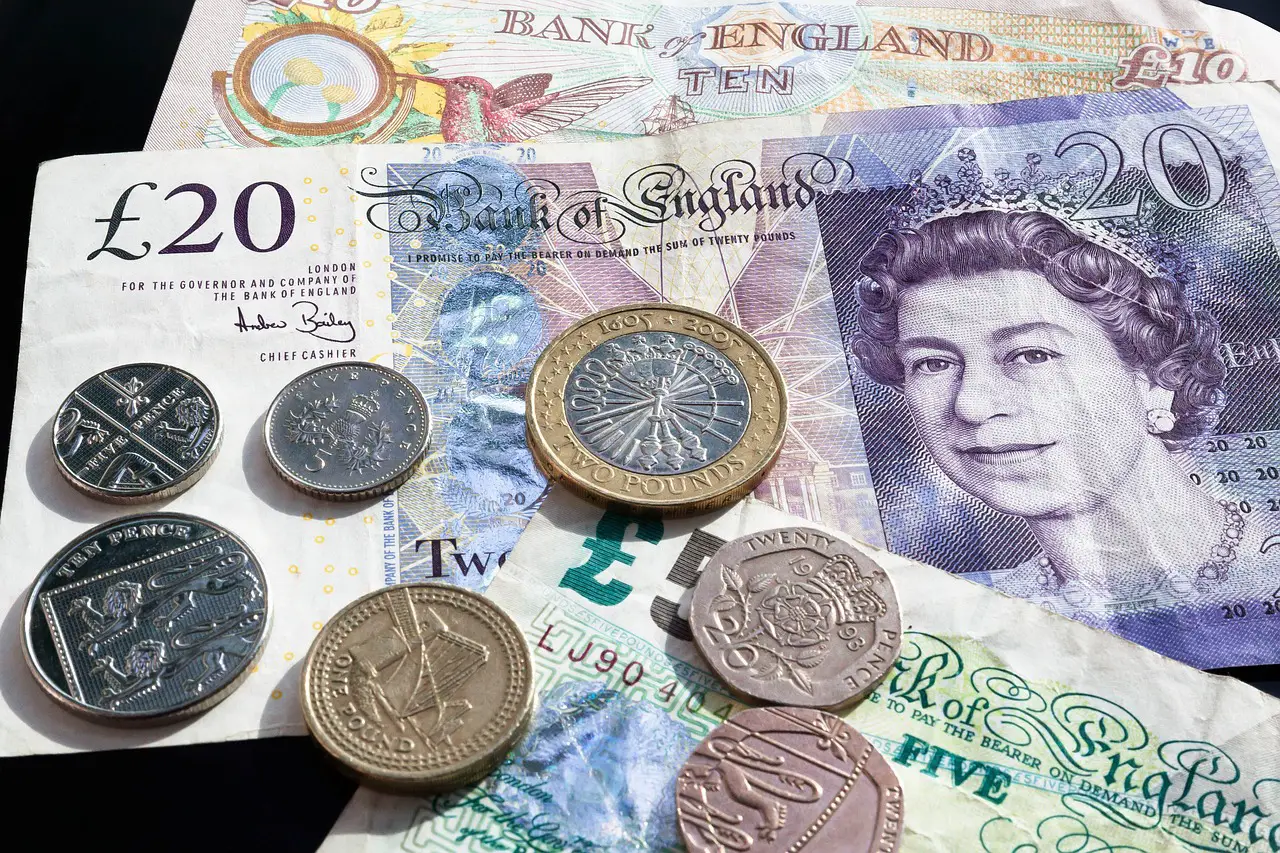
A quid is an informal British term for one pound sterling. One quid means £1, or 100 pence. It is not a separate coin or banknote.
What does quid mean?
In everyday UK English, quid and pound usually mean the same amount. “Ten quid” means £10. The plural is normally still quid: “five quid”, not “five quids”.
The Royal Mint describes quid as an old nickname for the pound that has continued in modern British usage. The exact origin is uncertain, so proposed explanations should be treated as theories.
How much is a quid worth?
For face-value purposes, one quid is one pound sterling: £1. It can be represented by a £1 coin, coins adding up to £1, or a £1 banknote where one is issued. The word describes the amount, not the form of payment.
Quid, pound and pence
Modern UK currency is decimal: one pound contains 100 pence. Before decimalisation, £1 contained 20 shillings and each shilling contained 12 old pence. See our guide to how much a shilling was worth.
The modern decimal system began on Decimal Day, 15 February 1971. The Royal Mint’s history of decimalisation explains the change to 100 pence in the pound.
Other British money slang
A fiver usually means a £5 note, while a tenner usually means a £10 note. Dosh is a general slang word for money. These terms are not official denominations.
Common questions
Is a quid a coin? No. It is a slang term for one pound, regardless of whether the amount is held as coins or a banknote.
Is a quid the same as a pound? In ordinary British usage, yes. “A quid” means £1, while “pound” is the official currency name.