
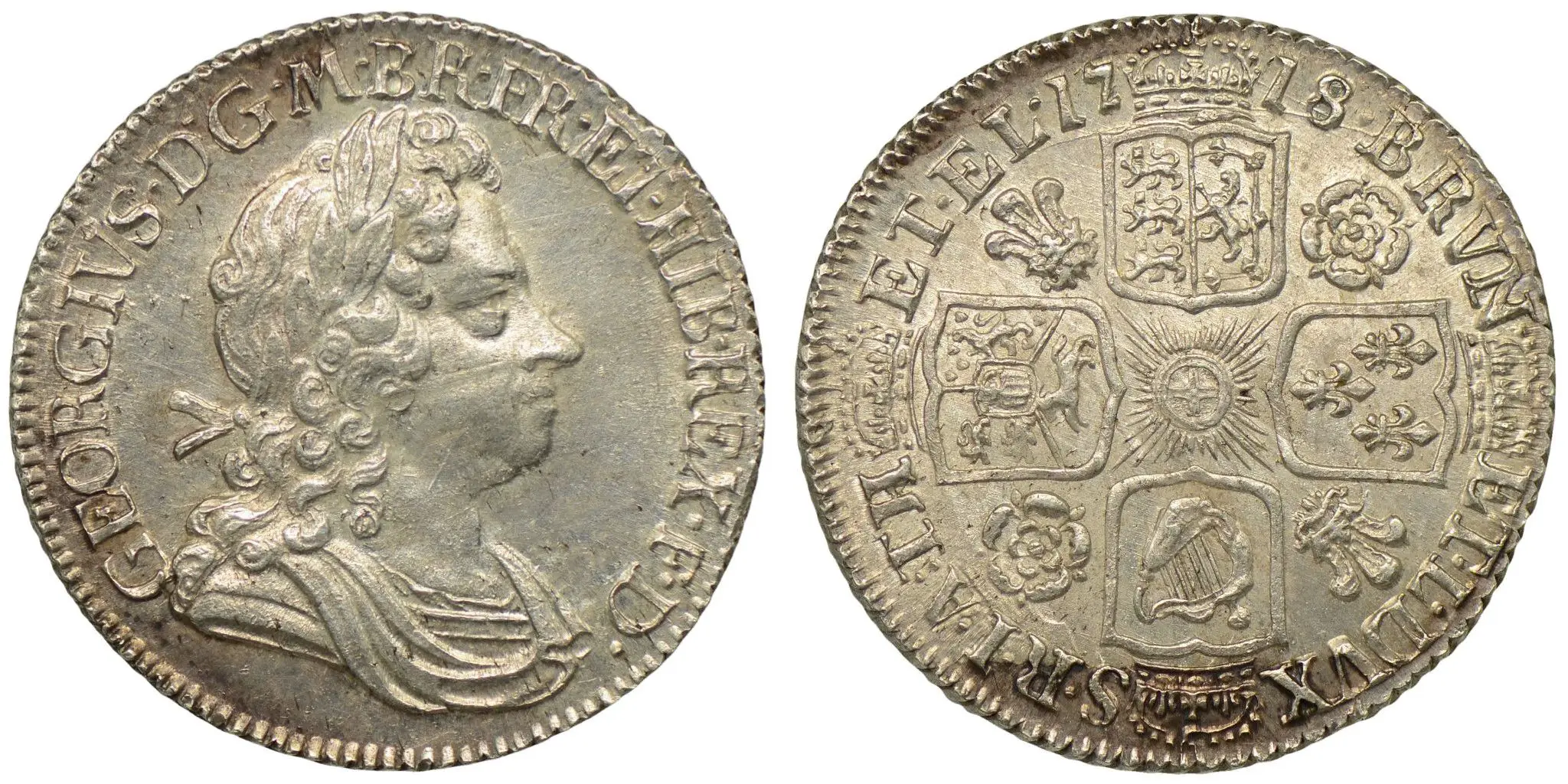
How to identify silver UK coins by date and denomination
A coin’s colour is not enough to prove that it is silver. Identification should start with the denomination, monarch, date, design and the official specification for that issue.
Older British coins can be associated with silver, but the metal used depends on the coin, period and issue. A broad rule such as “all old silver-coloured coins are silver” is not reliable.
Start with the coin’s details
Write down:
- denomination
- date
- monarch
- reverse design
- edge lettering or shape
- approximate diameter and weight
- any visible mint or issue information
Then compare the description with the Royal Mint’s designs and specifications and, for historic material, museum or specialist references. The exact issue matters more than a general label such as “old silver coin”.
Why do date and denomination matter?
British coinage changed over time. The Royal Mint’s historical and specification pages show that denominations, designs, sizes and materials developed across different periods. A shilling, florin, sixpence, half-crown or crown cannot be treated as one uniform group across every date.
Two coins can look similar while having different specifications. Transitional issues and worn coins create further uncertainty. Weight and diameter can help narrow the possibilities, but a household scale or ruler is not a substitute for specialist examination.
Does silver content equal collector value?
No. Metal content and collector value are different questions. A coin may have historical interest without a high market price, while a collector may care about a particular date, design or condition for reasons unrelated to the metal alone.
Do not melt, scrape or clean a coin to test it. Those actions can damage the surface and remove information that helps with identification. A magnet test may offer a clue for some modern plated-steel coins, but it does not establish the authenticity or value of a historic coin.
If you later compare market evidence, distinguish asking prices from completed sales. Record the exact issue and condition before treating any comparison as relevant.
For related research, see what a shilling was, how much a shilling represents in decimal money, how to read a UK coin and UK coin specifications.