
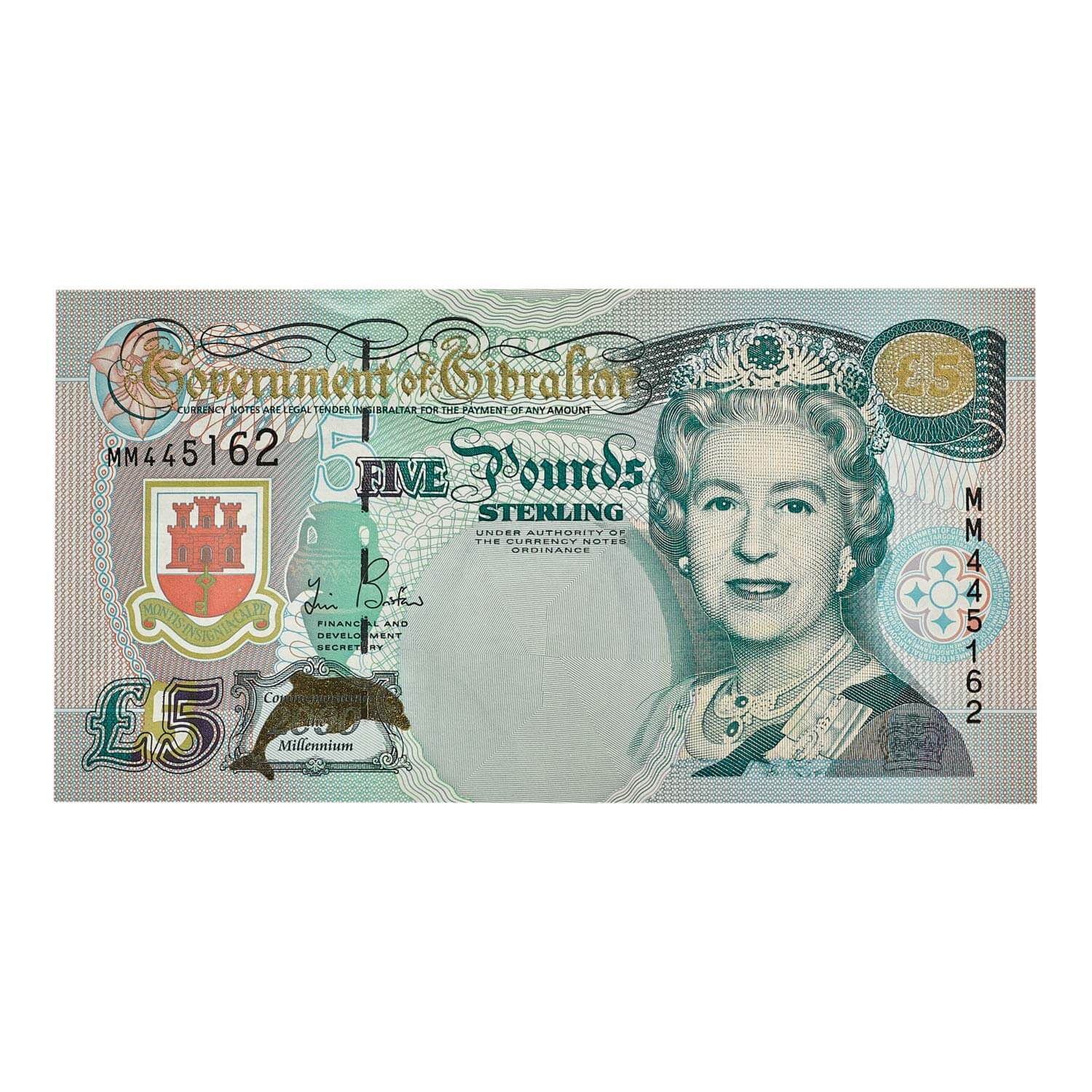
What do UK banknote serial numbers mean?
A Bank of England banknote has a serial number made up of a cypher followed by numbers. The cypher identifies the note’s position on the printed sheet. The following serial number relates to the sheet number.
For example, on the polymer £5 note, a serial such as AA01 123456 has two parts. AA01 is the cypher and 123456 is the serial number. The exact format depends on the note issue, so older and newer notes should be checked against the Bank of England’s own information.
What is a banknote cypher?
The first four letters and numbers are called the cypher. The Bank of England explains that it represents the note’s position on the sheet on which it was printed.
The number after the cypher is the serial number. It relates to the number of the sheet on which the note was printed. On the first polymer £5 issue, there were 60 notes on each sheet, with cyphers running from AA01 to AA60. The notes then moved through the available serial numbers before the cypher changed.
That example applies to that issue. It should not be treated as a universal format for every Bank of England note.
Why do collectors notice low serial numbers?
When a new note is released, the Bank of England holds back some of the first printed notes. Notes with especially low or symbolic numbers may be given to people or institutions connected with the issue. Other low-number notes may be auctioned for charity.
This is why collectors pay attention to numbers such as 000001, repeating sequences or numbers connected with a date or event. Interest does not create a standard price, however. The same pattern can mean different things to different collectors, and the note’s condition, issue, design and provenance also matter.
Does a serial number make a banknote valuable?
The Bank of England says its notes remain worth their face value, including notes that no longer have legal-tender status. Some notes are traded by collectors for more than face value, but the Bank does not set or guarantee those prices.
A serial-number pattern is therefore a collecting clue, not a valuation. An asking price on a marketplace is not the same as a completed sale. If you are researching a note, record the denomination, design, issue, serial number, condition and any evidence of provenance before comparing it with specialist auction results.
Do not post a full serial number publicly if you are sharing an image of a note. A partial record is usually enough for a general discussion.
For related guidance, see how to check a King Charles III or Elizabeth II banknote, what to do with a suspected counterfeit banknote and old UK banknotes and exchange options.