
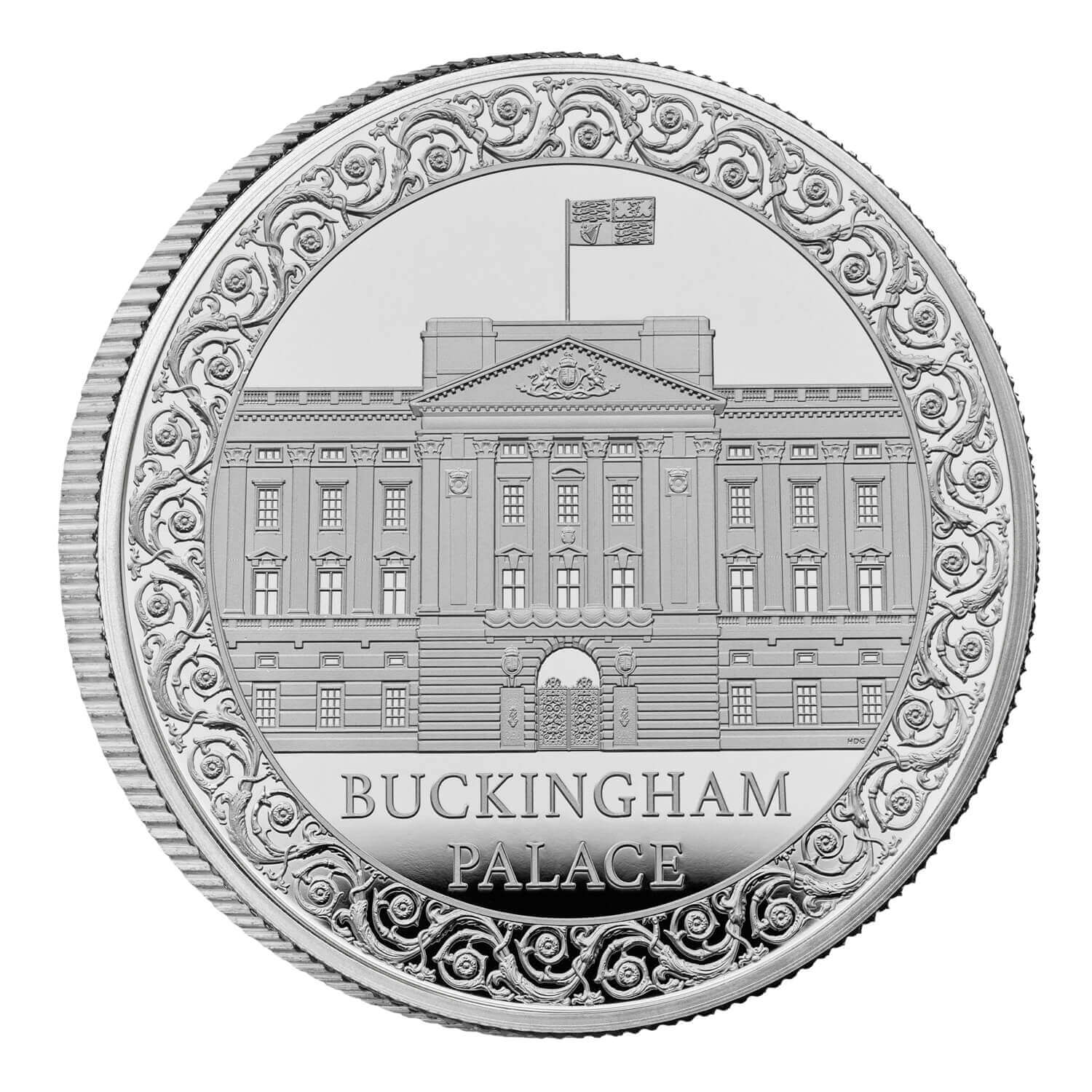
Are commemorative UK coins legal tender?
Some commemorative UK coins are legal tender, but that does not mean every shop or bank has to accept them in an ordinary transaction.
The phrase “legal tender” has a narrow technical meaning. The Royal Mint explains that it concerns the settlement of a debt. It does not mean that every transaction must use legal tender or that a retailer must accept every coin offered at the till.
Legal tender versus everyday acceptance
Both parties can agree to accept a form of payment. A business can decide what it will accept for an ordinary purchase, subject to the wider rules that apply to that business.
Legal tender matters in the specific context of settling a debt. The amount must also be offered exactly because change cannot be demanded when relying on legal-tender rules.
That is different from asking whether a shop will take a commemorative coin for a purchase. A shop may accept one as a courtesy, but it is not automatically required to do so simply because the coin has a denomination printed on it.
What about £5 coins and crowns?
The Royal Mint says that all UK coins, whether circulating or non-circulating, are authorised as legal tender by Royal Proclamation under the Coinage Act 1971. It also explains that commemorative and bullion coins often do not enter general circulation. Banks and businesses are not required to accept those non-circulating coins.
The modern £5 crown is commonly issued for commemorative purposes and is intended as a souvenir rather than everyday money. That does not make it the same thing as a circulating £5 note or a coin you would normally receive in change.
Can I spend a commemorative coin?
You can ask, but acceptance is a practical decision for the business. A commemorative coin may be legal tender for the purpose described by the rules and still be refused at a checkout because the retailer does not handle non-circulating coins.
Do not assume that a refusal proves the coin is fake. Check the denomination, design and issue against an official Royal Mint specification first. If you are considering the coin as a collectible, keep face value, asking price, sold price and collector interest separate.
For related reading, see our guide to old UK coins and where they can go and UK coin asking prices versus sold prices.