

Old UK Coins: Are They Still Legal Tender and Where Can They Go?
Old UK coins can be confusing because “legal tender”, “accepted in a shop” and “exchangeable” do not mean the same thing. A coin that has been withdrawn from circulation may no longer be spendable, but that does not automatically tell you how to dispose of it. What legal tender means Legal tender is a technical...
READ
How to Research or Sell UK Coins Without Being Misled
Before selling UK coins, identify what you have and separate evidence from advertising. A listing, catalogue range or online estimate may help with research, but none guarantees what a buyer will pay. Prepare the information Record the denomination, date, design, edge, finish, condition and any known history. Photograph the coin without cleaning it. Keep related...
READ
Inherited UK Coin Collection: What to Do First
Start slowly when you inherit a UK coin collection. Do not clean, split up or sell everything before you know what the collection contains. A simple inventory gives you time to separate ordinary circulation coins from items that may need specialist attention. Make an inventory Photograph groups and individual unusual pieces. Record denominations, dates, monarchs...
READ
What Do the Edge Inscriptions on UK Coins Mean?
Edge inscriptions are words, numbers or patterns around the rim of a coin. They can help identify a design, but an unusual edge does not automatically make a coin rare or valuable. What to record Photograph the entire edge, write down the lettering exactly and note whether it is upright, inverted, incomplete or damaged. Compare...
READ
How to Read a UK Coin: Date, Design and Edge
Reading a UK coin starts with the details that identify it: denomination, date, monarch, design, inscriptions and edge. Record what you can see before comparing the coin with a reference. Read both faces Check the portrait, date, denomination and main design on both sides. Note the spelling, lettering, symbols and any small marks. A similar...
READ
What Is a Blockchain? What It Does and Does Not Prove
A blockchain is a type of distributed record system in which information is grouped into blocks and linked in sequence. Different systems use different designs, networks and rules, so “blockchain” is a broad term rather than one single technology. What a blockchain can record A network may record transactions, ownership claims or other data according...
READ
Can You Use Scottish and Northern Irish Notes in England?
Scottish and Northern Irish banknotes are commonly used across the UK, but they are issued by commercial banks rather than the Bank of England. Whether a shop accepts a note can be a practical decision, so check before relying on it for a payment. Acceptance and legal tender are different “Legal tender” has a specific...
READ
I Think I Have a Counterfeit Banknote: What Should I Do?
If you think a UK banknote may be counterfeit, do not pass it on or try to spend it. Keep it separate and use the current guidance from the note’s issuing bank or the police. Check several features For Bank of England notes, compare several security features such as the window, hologram, raised print and...
READ
Old UK Banknotes: Can I Still Exchange Them?
Whether an old UK banknote can be exchanged depends on the issuing bank and the note’s status. Bank of England notes withdrawn from circulation can still be exchanged with the Bank of England, but Scottish and Northern Irish notes follow different arrangements. Identify the issuer Check the bank named on the note. Bank of England...
READ
How to Start a UK Coin Collection on a Budget
You do not need expensive coins to start collecting. Choose a clear theme, learn how to record what you find and focus on understanding the coins rather than treating a collection as an investment. Choose a theme You could collect one denomination, designs from a particular period, monarchs, regional issues, commemoratives or coins found in...
READ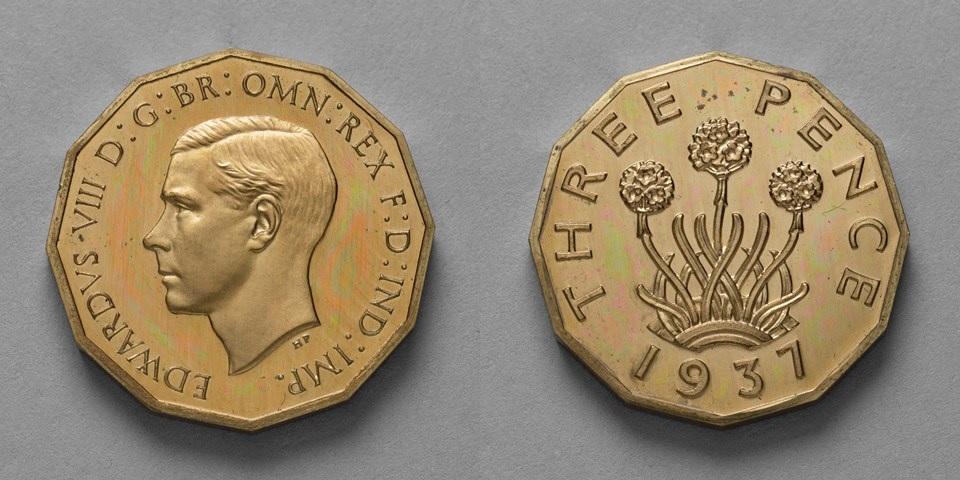
Should You Clean Old Coins? Safe Handling and Storage
Cleaning an old coin can reduce its collector interest and remove information from the surface. Polishing, abrasive products and chemical treatments can leave marks that are more damaging than the original dirt or tarnish. Handle the coin carefully Wash and dry your hands, hold the coin by its edges and work over a clean, soft...
READ
Why Is My UK Coin a Different Colour, Shape or Weight?
A UK coin that looks different may be affected by lighting, wear, cleaning, corrosion, damage or normal production variation. Colour, shape or weight alone cannot prove that a coin is rare, valuable or counterfeit. Check the correct specification First identify the denomination, date and design. Compare diameter, weight, thickness and composition with a reliable official...
READ