
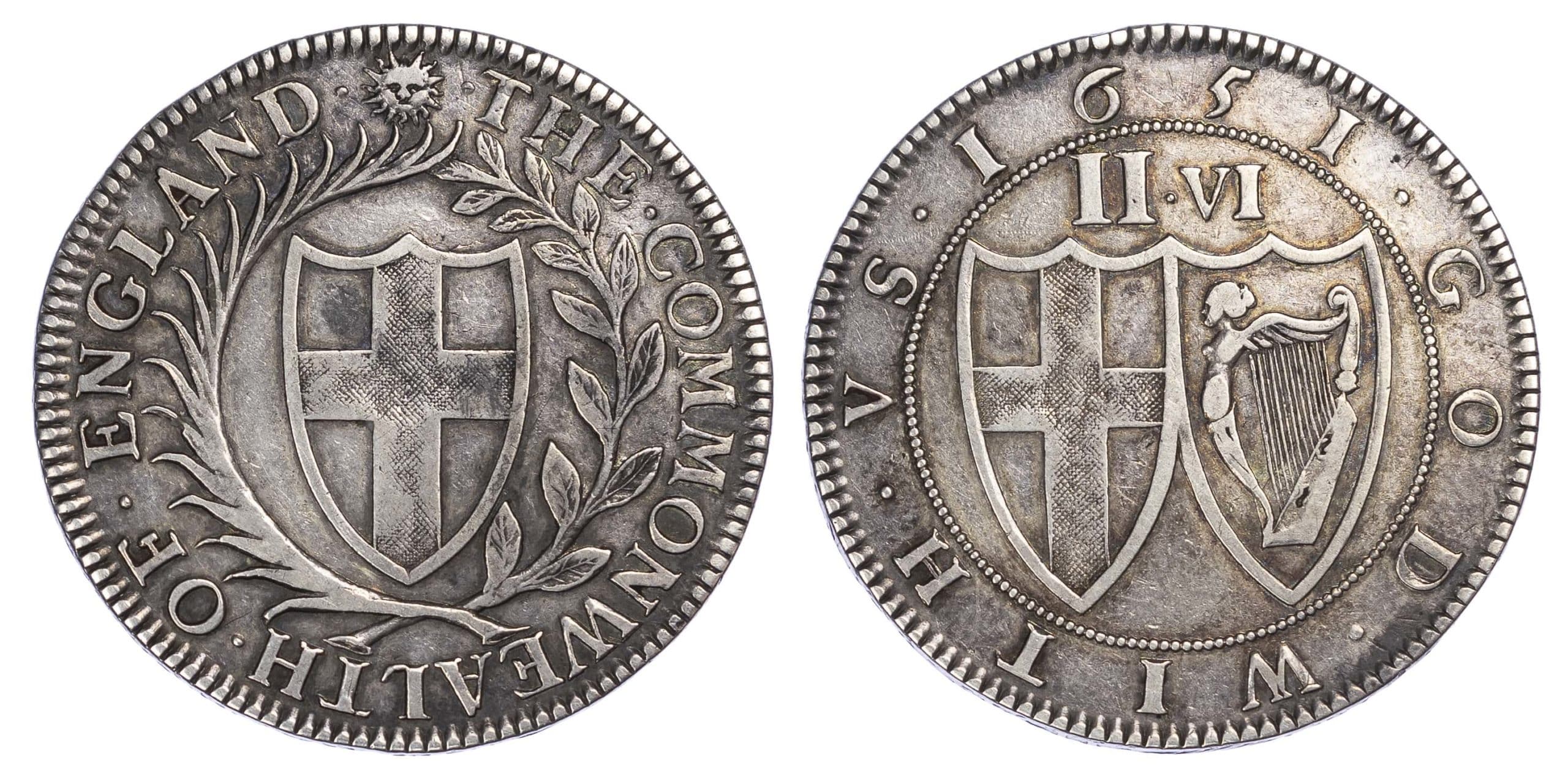
1651 Commonwealth Pattern Half-Crown: Identification and Value Guide
The 1651 Commonwealth Pattern Half-Crown is a pattern from the Commonwealth period, when England had no monarch. The coin is associated with the milled experiments of Pierre Blondeau. Identification Numismatic references describe a silver pattern half-crown dated 1651, with a recorded weight of about 15.08 grams. Pattern coins require careful attribution because later copies and...
READ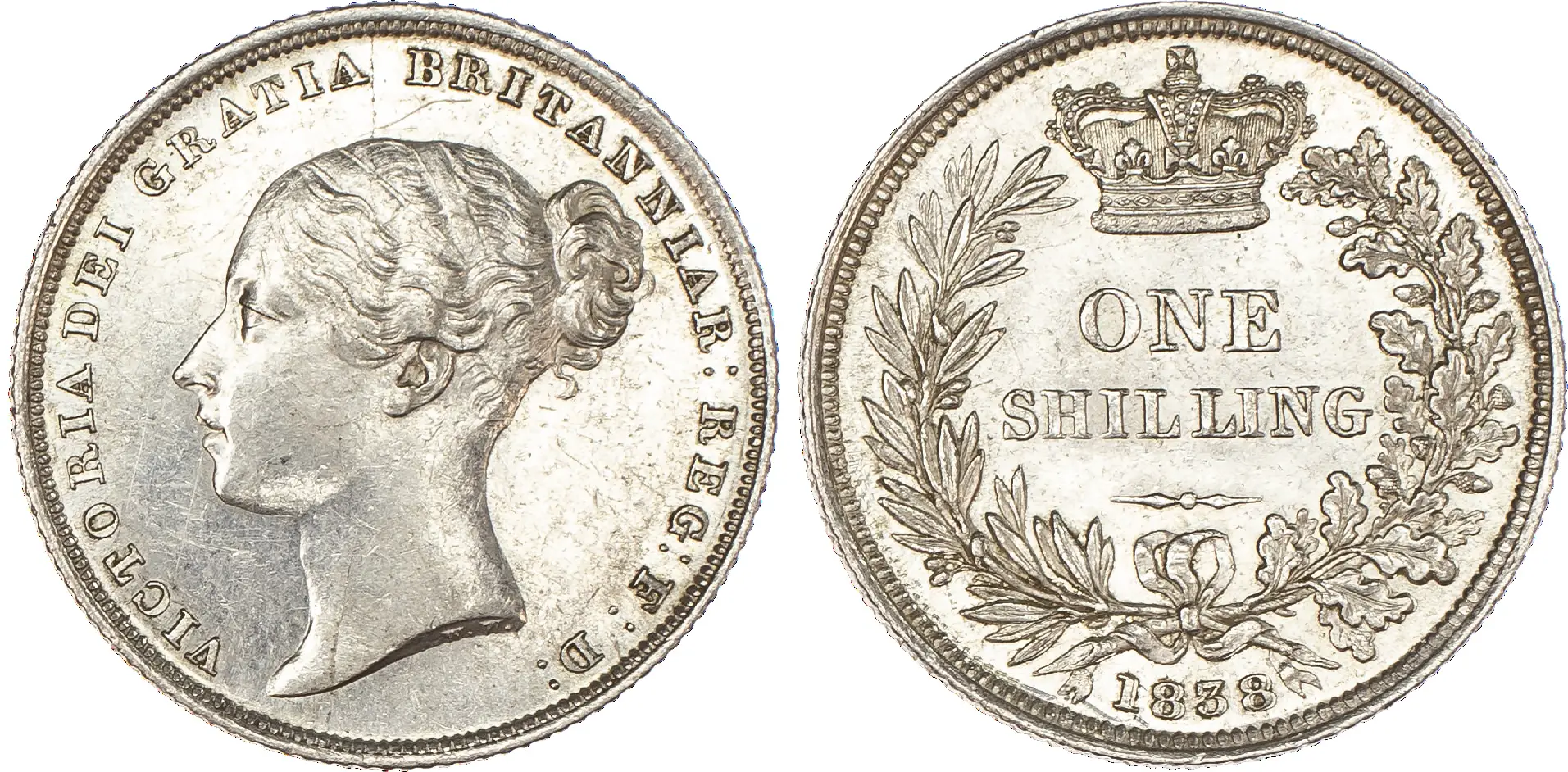
Queen Victoria Shilling 1838: A Valuable Coin or Worthless Relic?
When it comes to numismatics, few coins capture the attention and intrigue of collectors quite like the Queen Victoria Shilling 1838. This silver coin, minted during the reign of Queen Victoria from 1837 to 1901, holds a special place in British history. In this article, we will dive deep into the story behind this ancient...
READ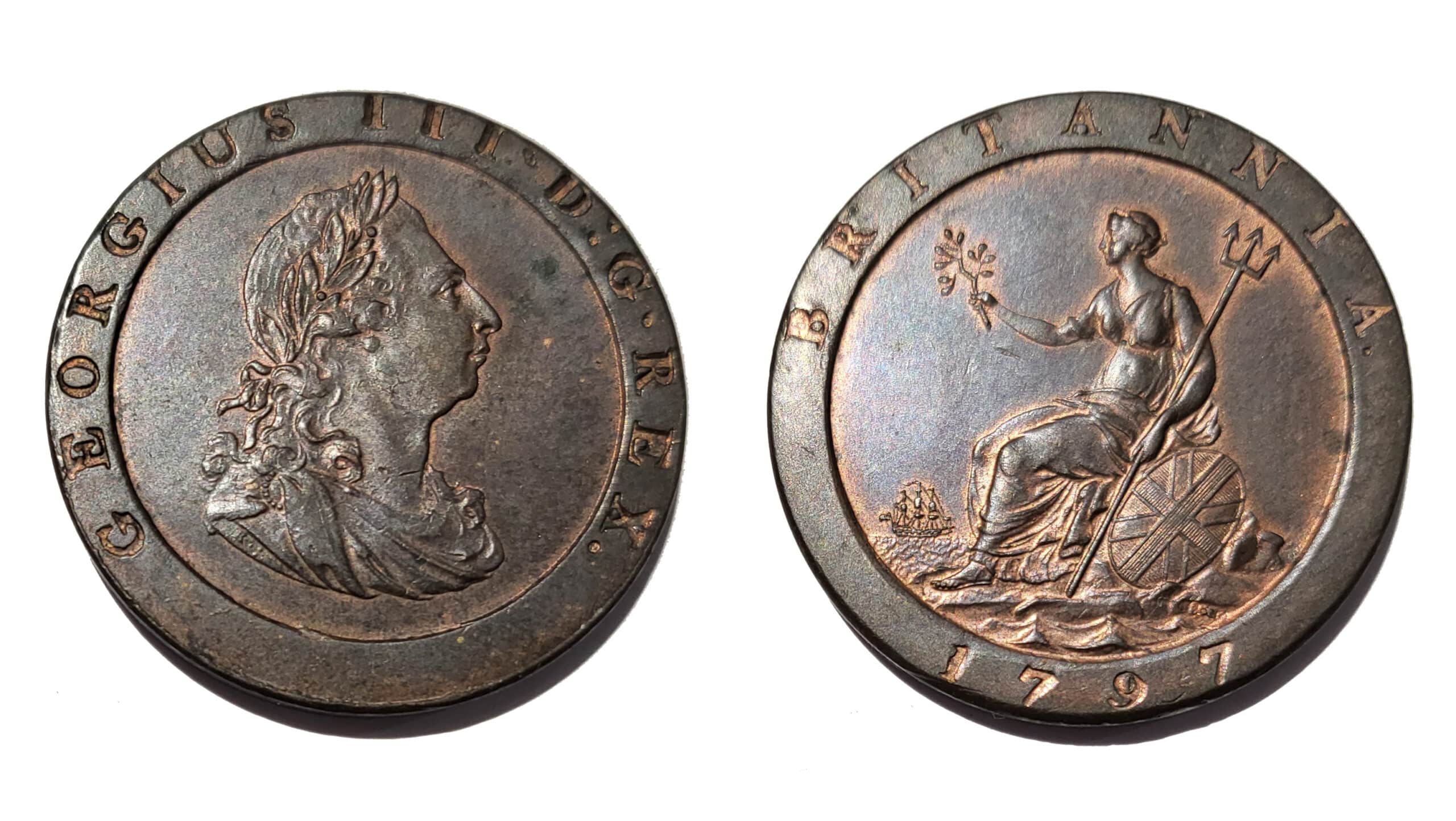
Is the 1797 George III Penny “Cartwheel” Worth Anything?
The 1797 George III Penny, known as the “Cartwheel,” is a remarkable coin that holds historical significance and numismatic value. In this article, we will explore the worth and characteristics of this iconic coin. Whether you are a seasoned collector or someone curious about the value of this coin, we aim to provide you with...
READ
Where to Sell Oldest British Coins: A Comprehensive Guide
Are you the proud owner of a collection of oldest British coins? Whether you’ve inherited them or spent years assembling a remarkable collection, there may come a time when you wish to sell your coins. But where should you go to get the best value for your precious pieces? In this comprehensive guide, we will...
READ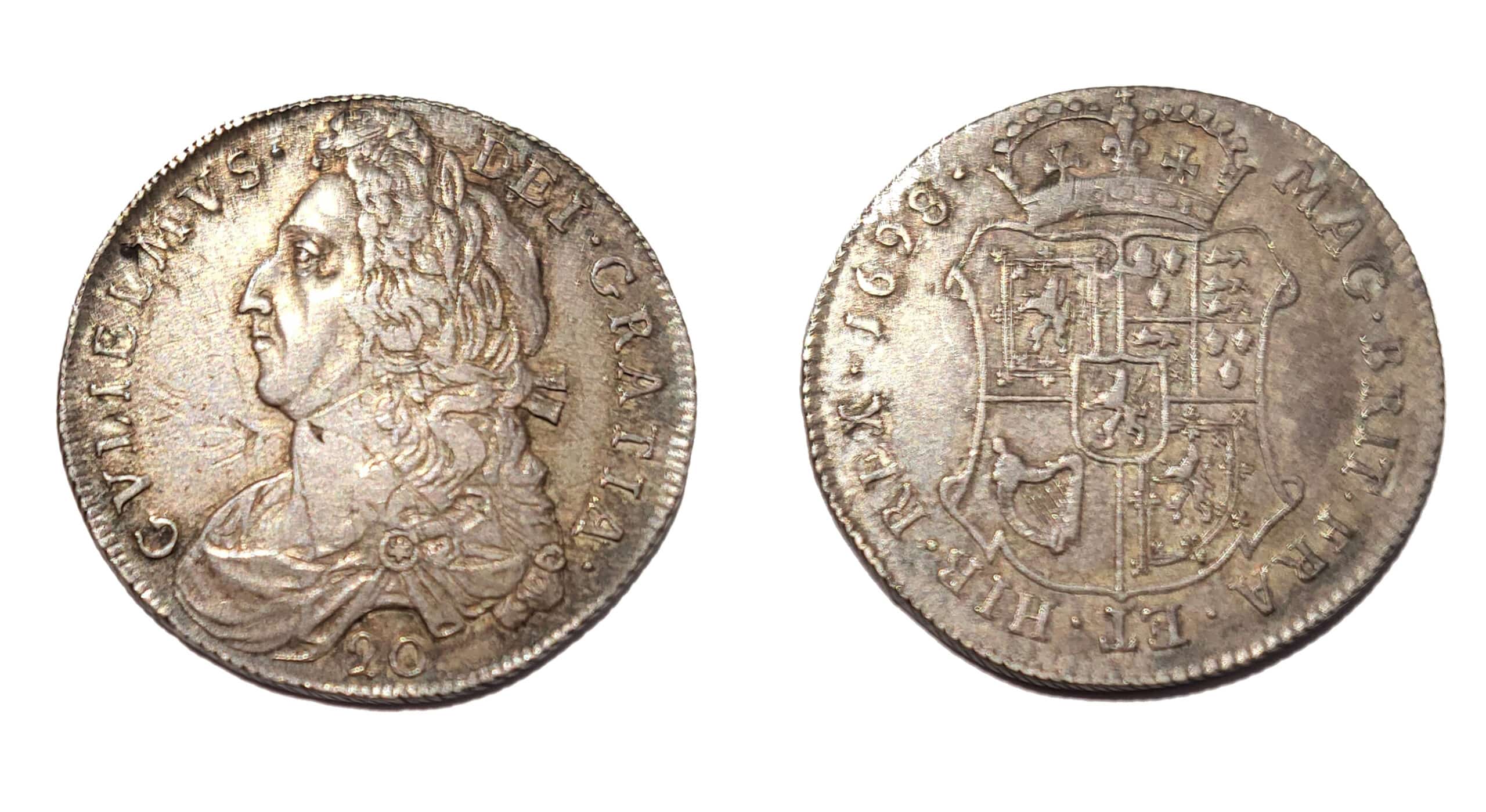
Scotland: A Brief History of William III of England Twenty Shillings, 1698/7
Scotland has a rich numismatic history, featuring various coins and medals that provide insights into its past. One such coin is the Scotland, William III (of England), twenty shillings, minted in 1698/7. This article delves into the fascinating details of this rare coin, exploring its design, historical significance, and value. The Reign of William III...
READ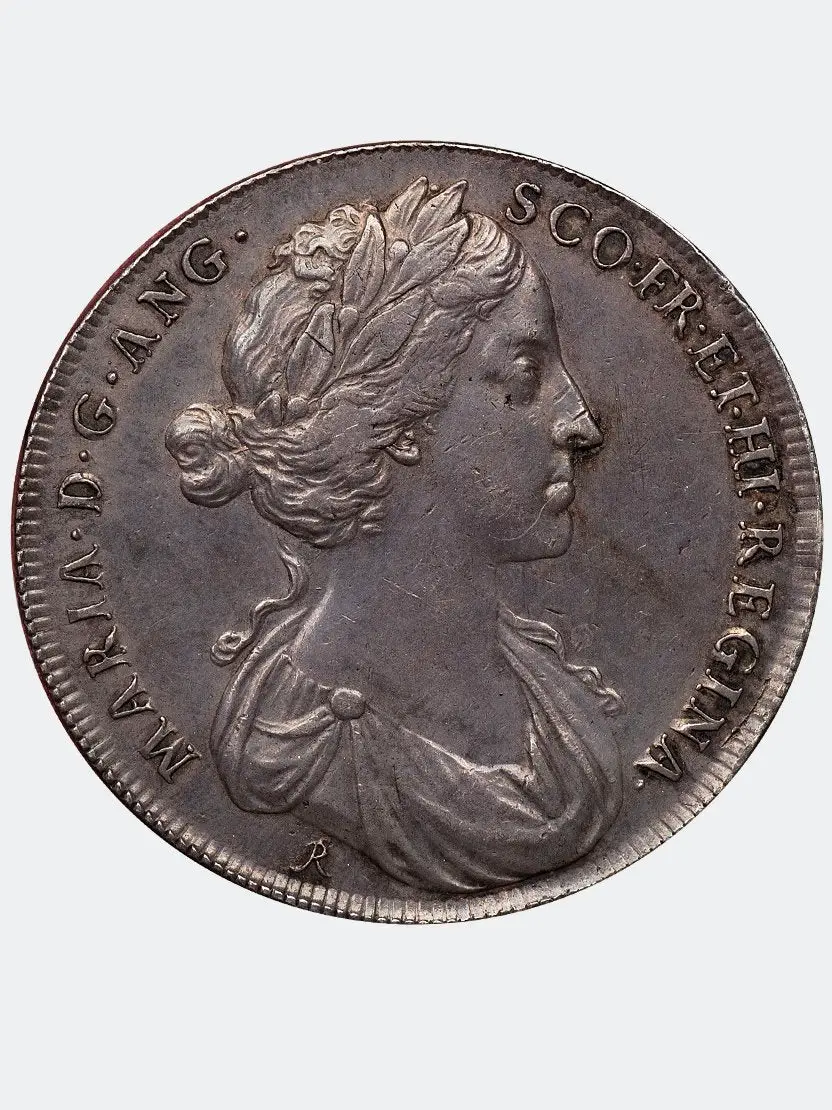
1685 Mary of Modena Coronation Medal: A Celebration of Royal Majesty
In the rich tapestry of British history, the year 1685 holds a significant place. It marks the coronation of James II, who married Mary Beatrice, daughter of Alphonso IV, Duke of Modena. This historic event also witnessed the crowning of Mary as the first queen in Britain since the restoration of the monarchy in 1660....
READ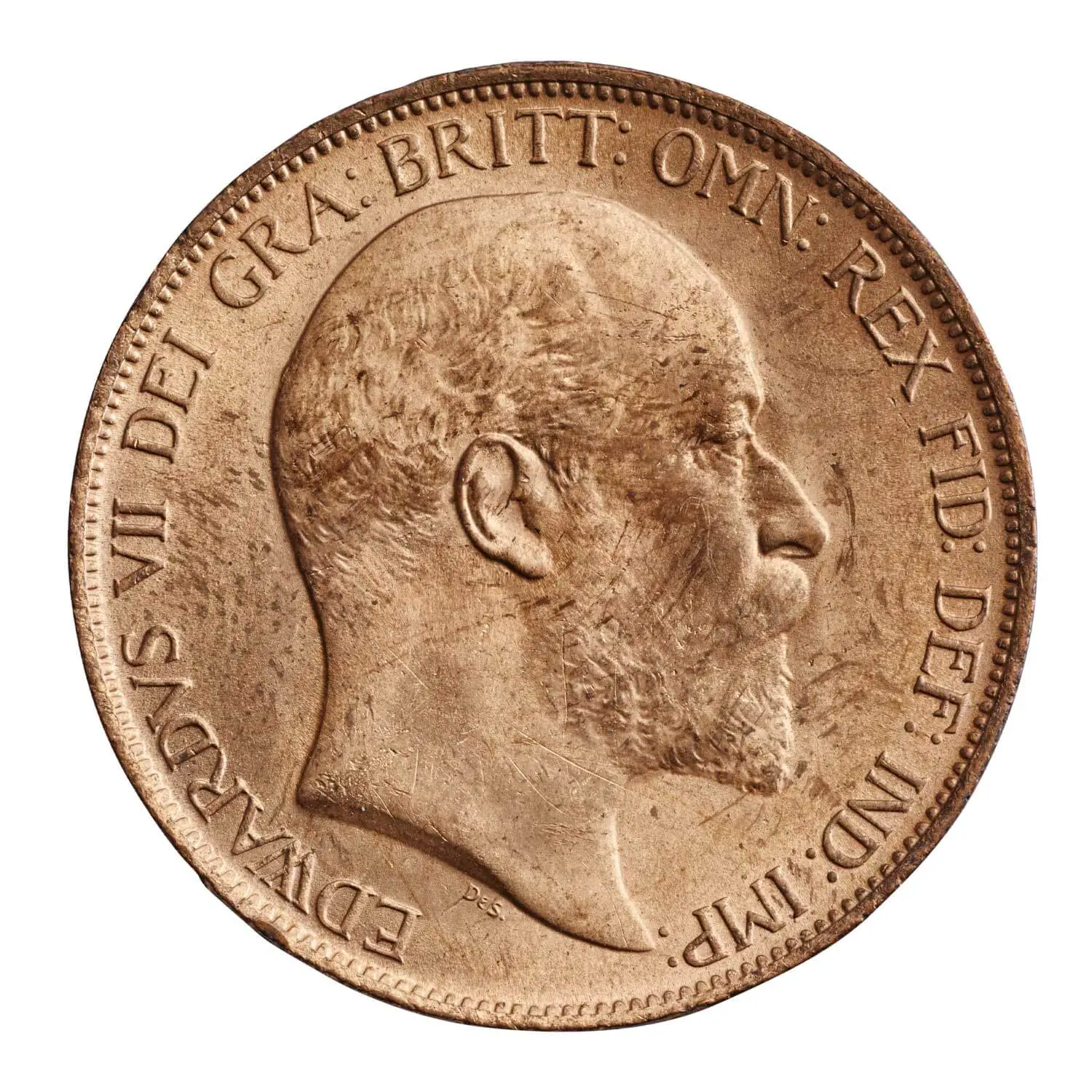
Edward VII Penny: A Rare Treasure or Worthless Coin?
The Edward VII Penny, minted in 1902, holds a special place in the world of numismatics. This bronze coin features a bare head of King Edward VII on the obverse and the iconic figure of Britannia seated with a trident and shield on the reverse. But what is the true value of this coin? Is...
READ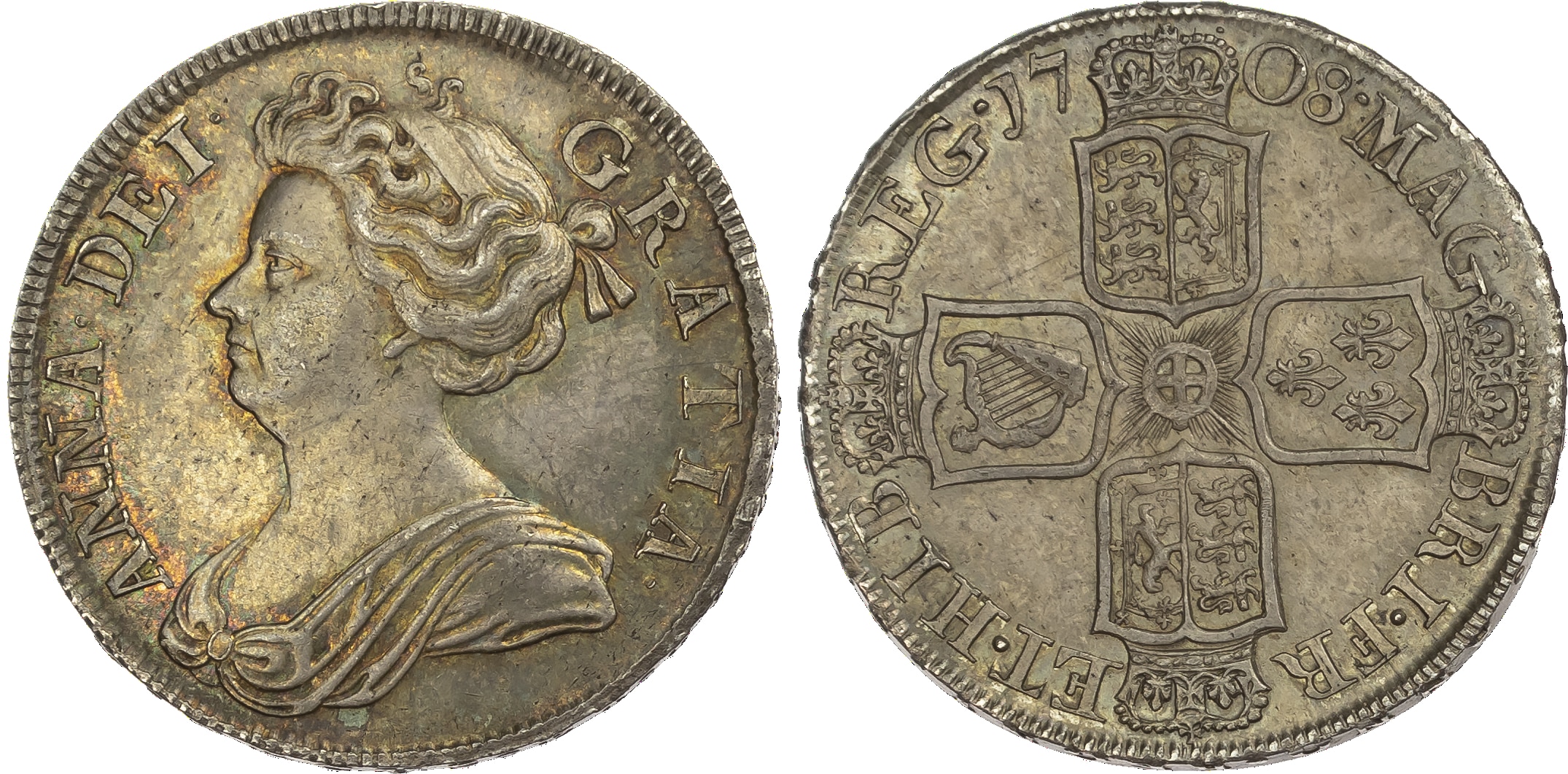
1707 and 1708 Queen Anne Half-Crowns: Identification and Value Guide
Queen Anne half-crowns dated 1707 and 1708 belong to the post-Union coinage period. The exact variety and mint can affect identification and value. What to check Look at the date, portrait, edge and mintmark. The letter E can indicate the Edinburgh Mint on relevant post-Union examples. Use a specialist reference to separate varieties before comparing...
READ
Collectible Coins as a Christmas Gift: A Timeless and Meaningful Gesture
As the year-end celebrations approach, the quest for the perfect gift for loved ones becomes a delightful challenge. While traditional presents like clothing or electronics hold their charm, ponder upon something unique and profoundly meaningful. Consider collectible coins—a remarkable Christmas gift, blending the allure of precious metals with the narratives of rich history and artistry....
READ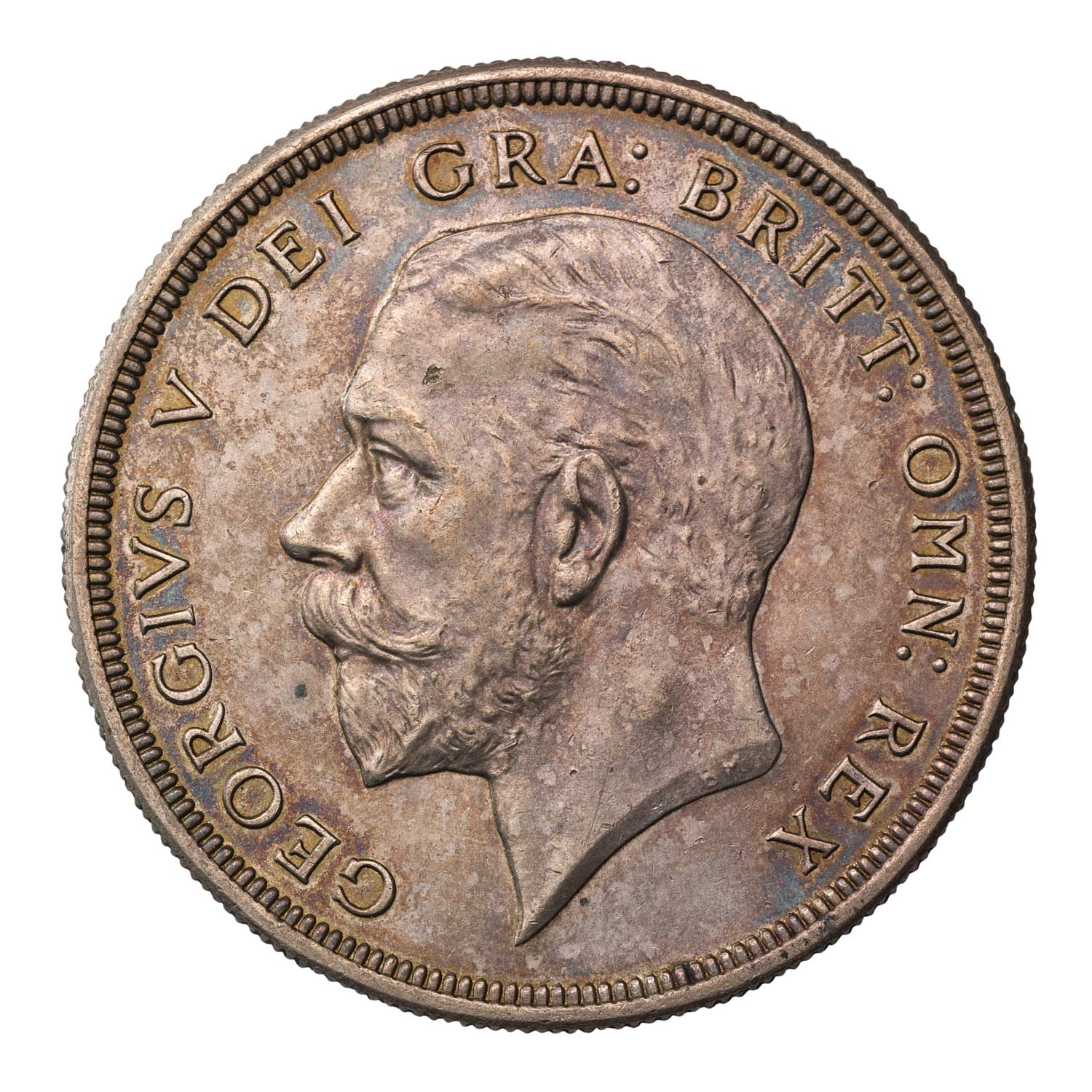
1927 George V Proof Wreath Crown: Identification and Value Guide
The 1927 George V Proof Wreath Crown is a Proof version of the George V Wreath Crown design. The obverse portrait was by Bertram Mackennal and the wreath reverse was designed by George Kruger Gray. How to identify a Proof Check the surface finish, fields, detail and edge, but do not assume that a polished...
READ
Coin Minting Process: From Ancient Molds to Modern Presses
For much of human civilization, coins have served as the primary form of currency. While paper money gained widespread use in the last two centuries, the process of minting coins has played a vital role in the progress and development of societies worldwide. From the ancient world to the modern era, coin minting has evolved...
READ
British Coin Gradwzing: Understanding the Value and Quality of Coins
Coins have been a significant part of human history, serving as a medium of exchange and a reflection of a nation’s culture and heritage. As a coin collector or enthusiast, understanding the grading system is crucial in assessing the value and quality of British coins. In this comprehensive guide, we will delve into the British...
READ